Sex and death: how evolutionary biology can lead to protecting wildlife

From navigating avian romance to engaging local communities, Professor Tam谩s Sz茅kely鈥檚 research group aims to protect wildlife and preserve biodiversity.
Explore research stories from across the Faculty of Science to learn more about our current research and its real-world impact.
From navigating avian romance to engaging local communities, Professor Tam谩s Sz茅kely鈥檚 research group aims to protect wildlife and preserve biodiversity.

From telecoms to healthcare, fibre optics are an essential tool in photonics research. But how are they made, and what exactly do they do?
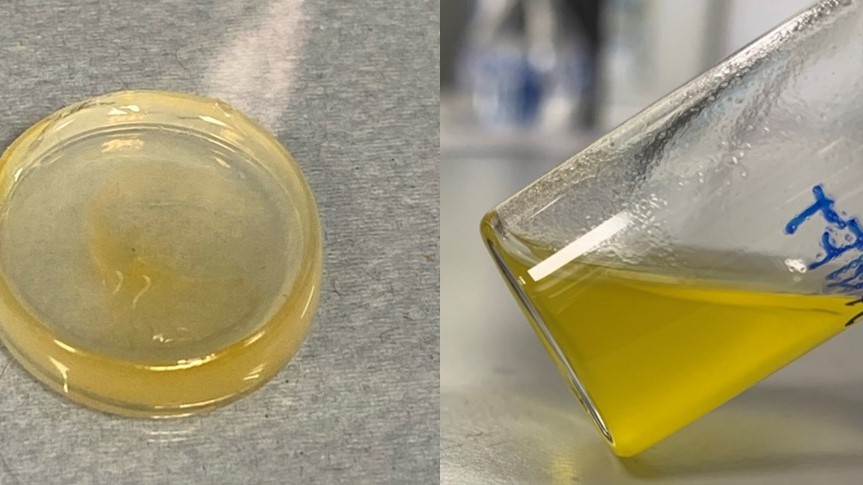
With plastic pollution among our most urgent environmental issues, creating easily degradable polymers is one of the hottest topics in materials chemistry.

With intergalactic distances reaching many thousands of lightyears, researchers turn to geometry to model galaxies and learn more about their evolution.

New research from the Milner Centre for Evolution shows how flowering plants survived one of the biggest mass extinction events in history.

Despite their simple appearance, the maths behind Stokes waves is complex. Researchers from the Department of Mathematical Sciences set out to learn more.
Find out about the research behind our REF 2021 submission.
Our research is improving lives and changing the world we live in. Read the stories behind our Research Excellence Framework submission.
We have a range of facilities providing analytical equipment and expertise to researchers and industry.

A multi-user facility providing protein expression and purification services to researchers across the University and beyond.
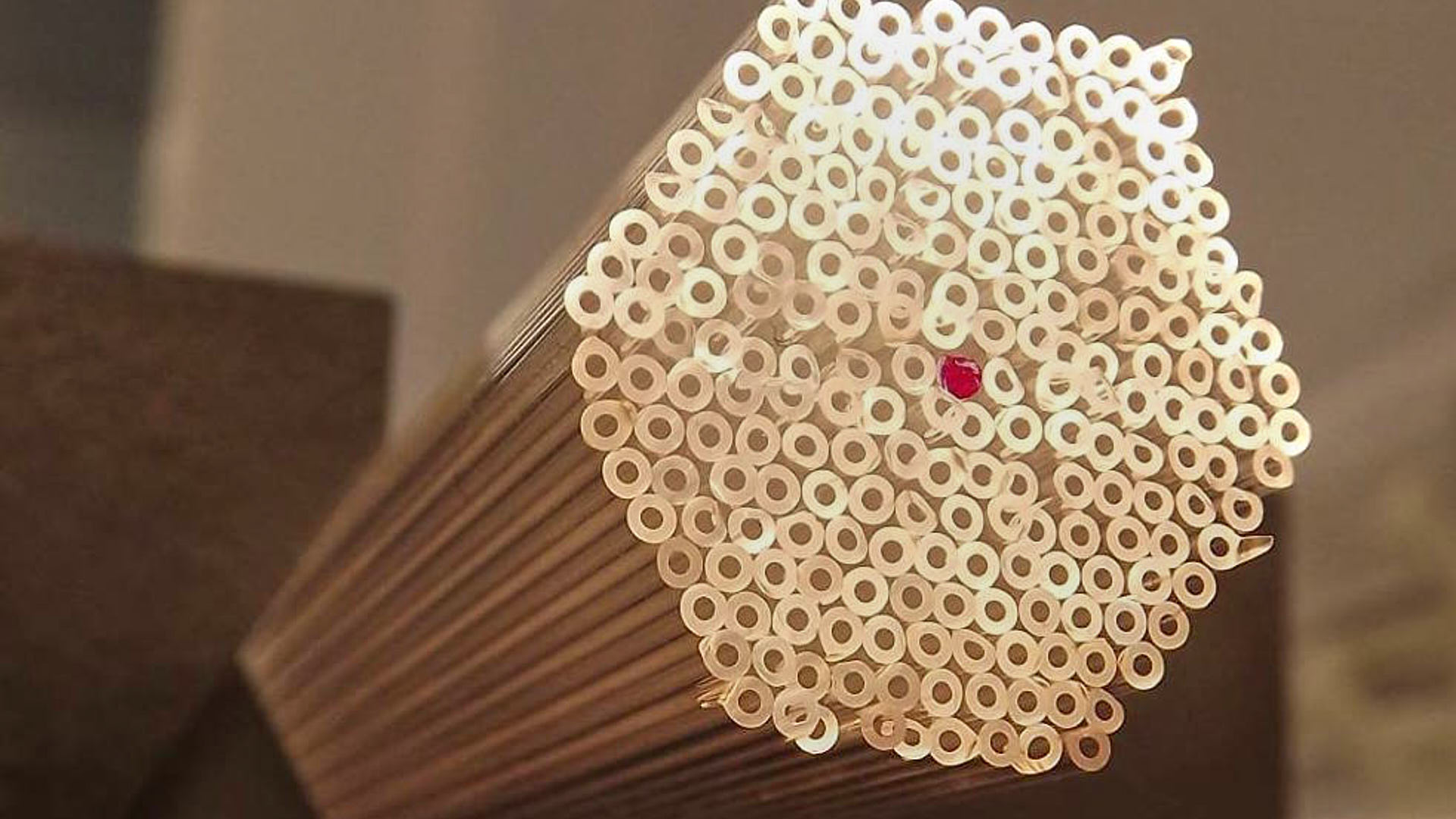
Find out about how we use our optical fibre fabrication facility to make speciality optical fibre and how you can access the facility for your own work.
This GW4 facility is located in Bristol and provides access to cryo-microscopy and analysis tools to study molecular processes responsible for cell function.
Find out more about how our research is organised.
World-leading research and flexible courses in biosciences, chemistry, computer science, mathematics, natural sciences, pharmacy, pharmacology and physics.